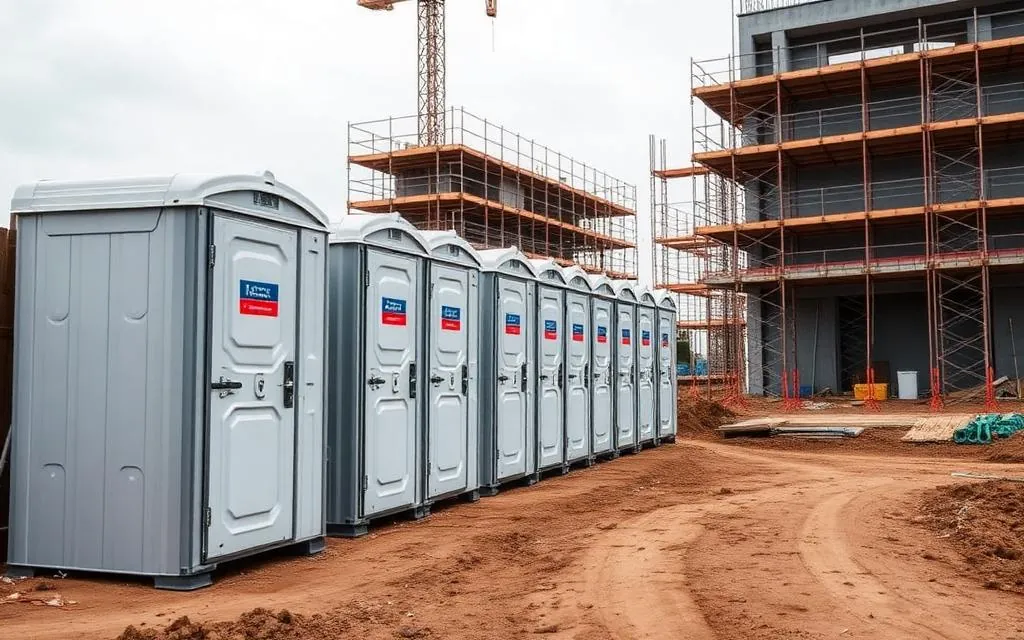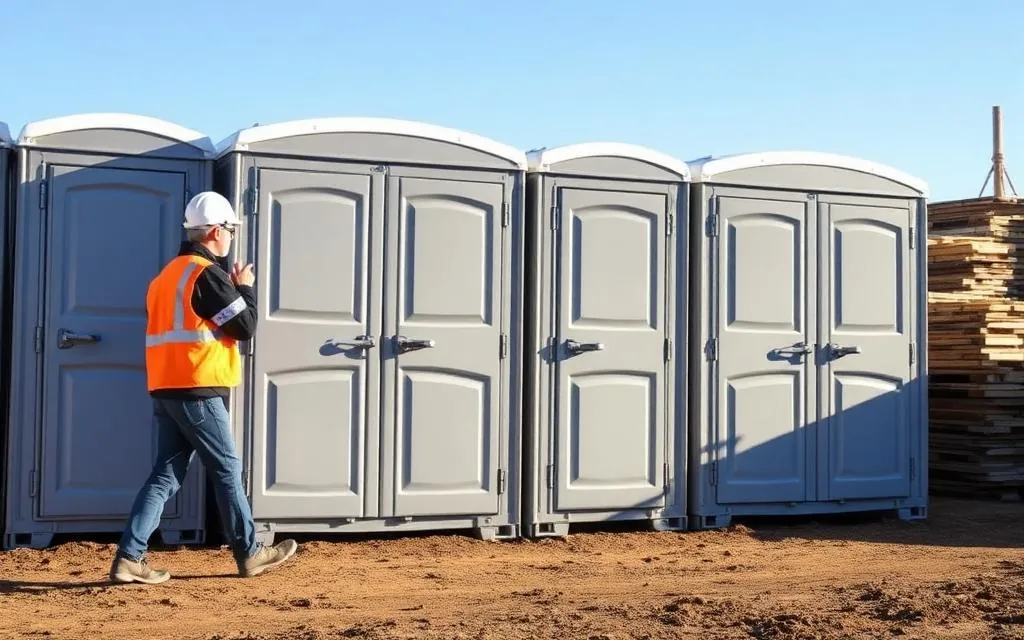
On a construction site, restrooms are infrastructure. Placing and servicing them well saves your crew time every single day.
Sizing for your crew
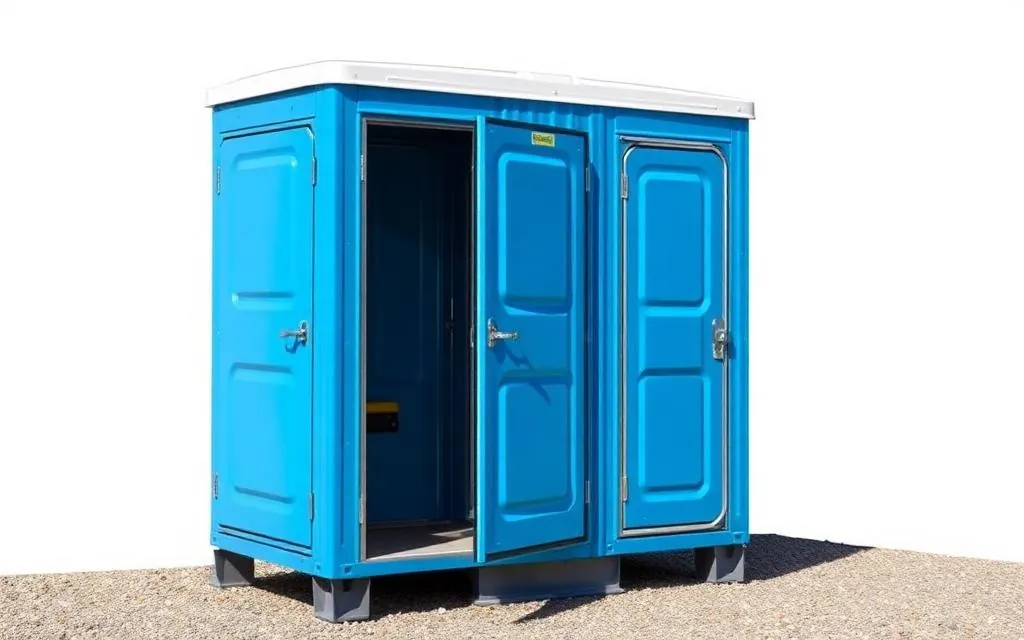
Unit count follows headcount and shift length. As a starting point, one standard unit serves a small crew comfortably for a work week with weekly servicing. Larger crews, longer shifts, or work that stretches into overtime need either more units or more frequent visits to keep pace with actual use.
Plan for the peak, not the average. A site that starts with six workers on excavation and jumps to twenty during framing or finishing needs its restroom count to move with the crew size, not stay fixed at the number you started with. It is far easier to add a unit ahead of a busy phase than to catch up after crews are already frustrated.
Multi-trade sites are worth a second look too. When plumbers, electricians, and framers are all on site at once, actual headcount on a given day can be higher than the general contractor's core crew, so check in before big push weeks.
A simple planning framework
Start with your average daily headcount over the life of the project, then note the two or three weeks where headcount is expected to peak, such as a framing crew joining an already-busy foundation crew. Size your baseline unit count to the average, and plan ahead of time to add units temporarily during those peak weeks rather than carrying the maximum count for the entire project. This keeps the site properly served without paying for capacity you only need part of the time.
Shift patterns matter too
A single day shift puts different demand on restrooms than a site running two shifts back to back. If your project runs extended hours or a second shift, service timing needs to shift with it, since a unit serviced once in the morning will not hold up through a sixteen-hour workday the way it would through an eight-hour one.
Placement that crews will actually use
- Keep units close to the active work zone so crews are not losing paid time walking across the site and back.
- Stay clear of equipment paths, crane swings, delivery routes, and material staging so units never become an obstacle.
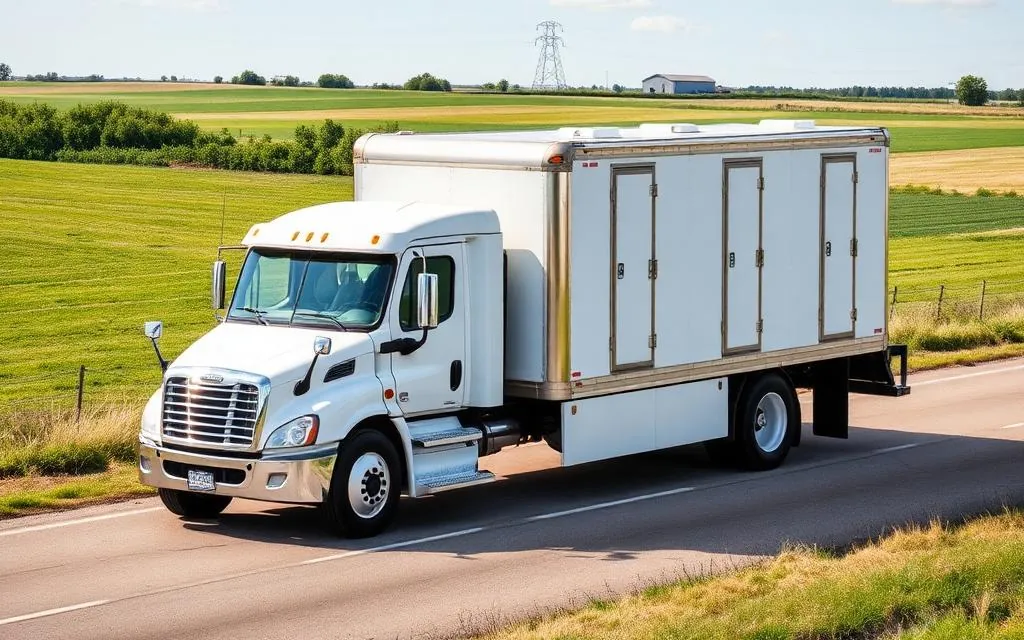
- Choose firm, level ground that our service truck can reach without crossing fresh concrete, graded lots, or freshly seeded areas.
- Move units as the build progresses rather than leaving them at the original spot from groundbreaking, especially on larger footprints.
- On multi-building or phased sites, spread units across active zones instead of clustering them all near the trailer.
- Anchor or secure units in exposed, windy locations common on open lots, since a tipped unit is both a hazard and a cleanup headache.
- Think about site security fencing and gate hours when picking a spot, so the service truck is never blocked from reaching a unit on its scheduled day.
Servicing and hygiene
Weekly service is the standard baseline for most job sites, with more frequent visits scheduled for large crews, hot weather, or sites with heavy use. Adding a hand washing station is worth it wherever crews are handling concrete, paint, adhesives, or soil all day, and many general contractors now require them as part of their site safety plan.
Why servicing schedules should flex with the project
A framing crew of five generates far less restroom demand than the same site once trades, inspectors, and a larger finishing crew are all present. Reviewing your service frequency at each major phase change, rather than setting it once at the start of the project and leaving it, keeps units in good shape without over-servicing during slower weeks.
Billing and long-term rentals
Because construction rentals often run for months rather than weeks, they are typically billed on a monthly cycle rather than a one-time flat fee. That makes it easy to adjust the unit count up or down as the project moves through phases without having to negotiate a new rate every time. Call ahead of your project start with your rough timeline and crew size and we will set the account up correctly from day one.
Planning around inspections and walk-throughs
Sites expecting inspectors, owners, or other visitors on a given day sometimes benefit from a quick pre-visit service call to make sure units are in top condition, particularly toward the end of a long rental when regular wear is more noticeable. It is a small request that is easy for us to accommodate with a little advance notice.
Common mistakes on job sites
- Ordering a fixed unit count at the start of the project and never revisiting it as crew size changes through different phases.
- Placing units too far from the active work zone, which quietly costs paid labor hours over the length of a project.
- Overlooking hand washing needs on sites doing concrete, painting, or other messy trade work.
- Not flagging gate access or site security procedures, which can delay a scheduled service visit if the crew cannot reach the unit.
Talk It Through With Us
Every site and event is a little different. Call (605) 699-0189 or send us your details and we will give you a straight answer for your situation.