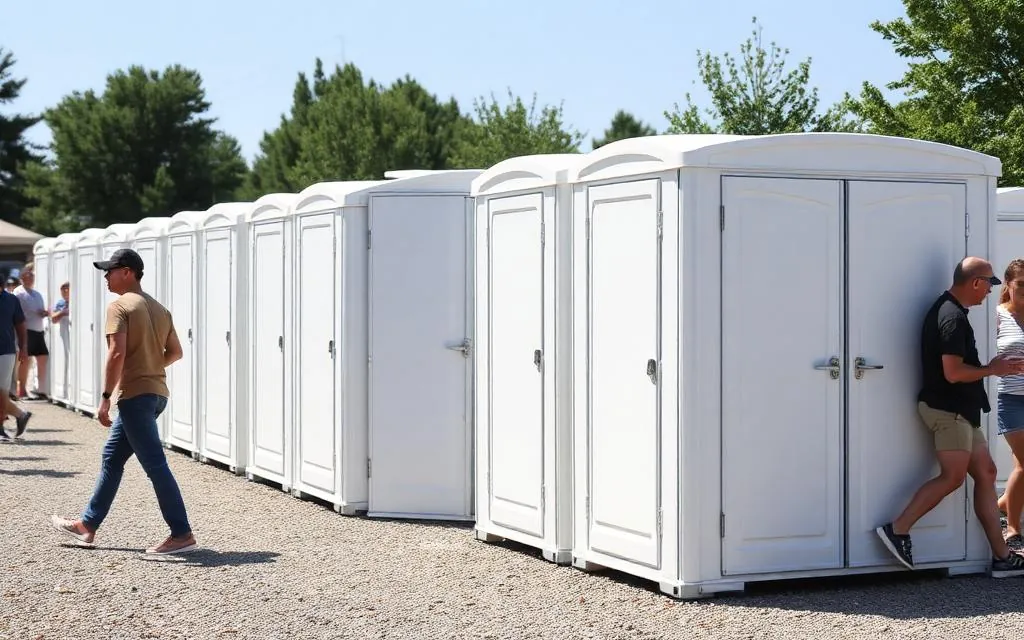
Getting the unit count right is the difference between an event guests enjoy and one they remember for the wrong reason.
Start with guests and hours
Restroom demand rises with both attendance and how long people stay. A two-hour ceremony with a hundred guests needs far less capacity than an eight-hour festival with the same crowd, even though the guest count is identical, because every extra hour on site adds more bathroom trips per person.
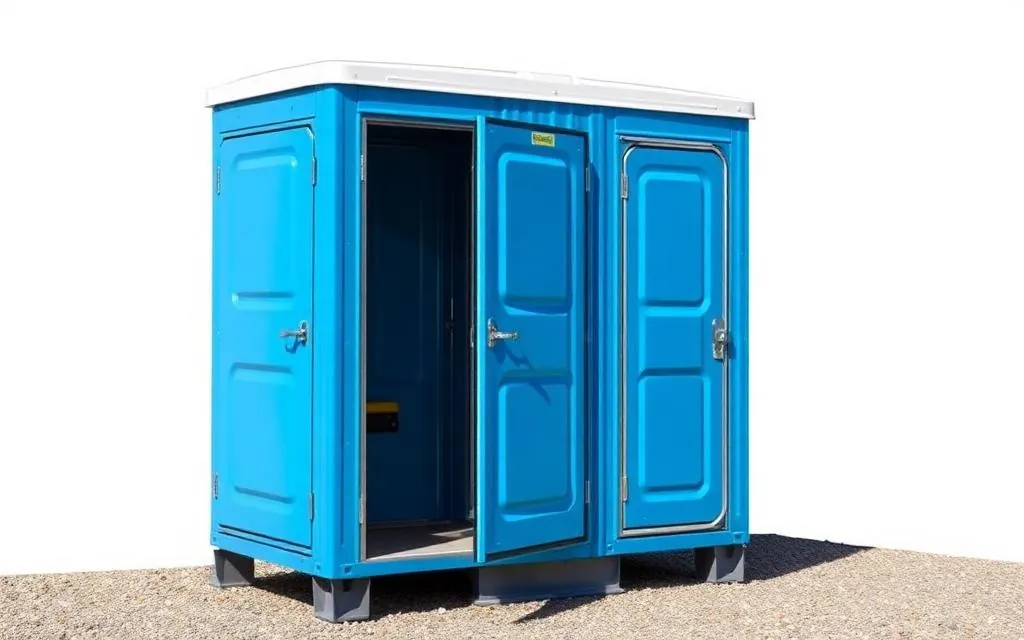
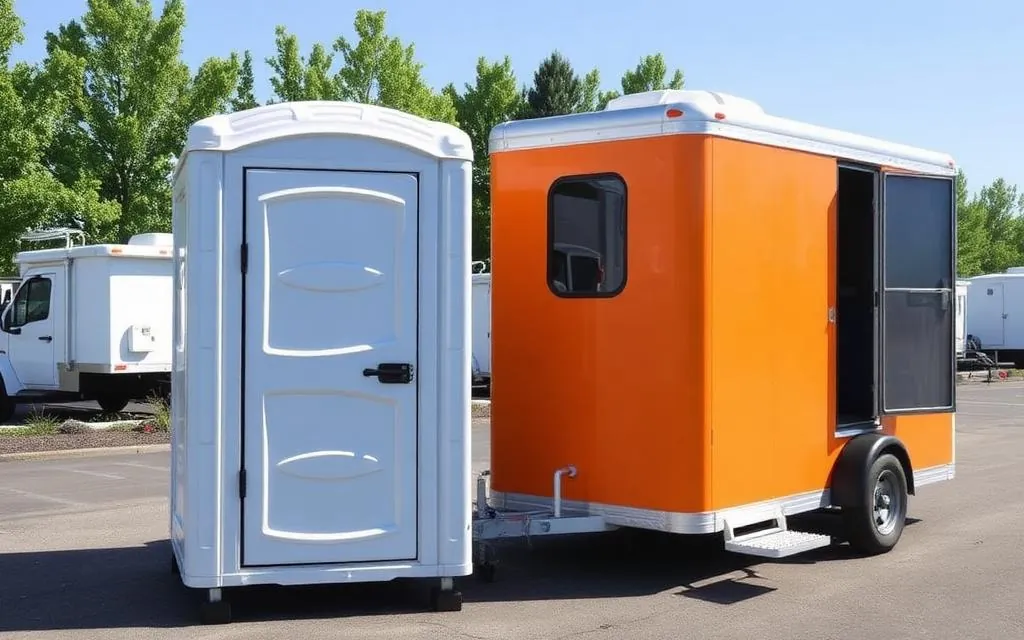
Our planning rule of thumb is roughly one standard unit for every fifty guests over the first few hours of an event, then adding capacity as the hours stack up. A four-hour event generally wants a bit more than that baseline, and anything running six hours or longer should plan noticeably above it. This is a starting point we adjust once we know more about your event, not a fixed formula.
A worked example
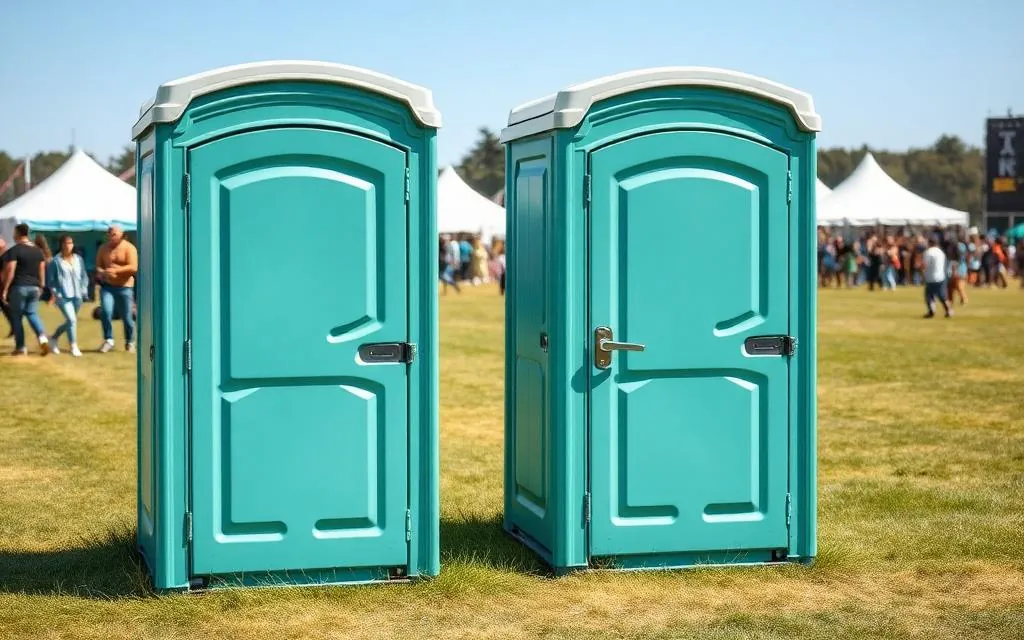
Picture a community festival expecting around three hundred guests over six hours. Using the fifty-guest baseline gets you to six units for the first stretch of the day, but because the event runs long and likely includes food vendors and a beer garden, a realistic plan pushes closer to eight or nine units plus at least one accessible unit and a hand washing station near the food area. Compare that to a two-hour afternoon open house with the same three hundred guests, which could reasonably run on the baseline six units since people are not on site nearly as long and traffic is spread across arrivals and departures rather than concentrated.
Reading your own event correctly
Before settling on a number, walk through your guest list and schedule and ask how concentrated the crowd will be. An event where everyone arrives at once, like a ceremony start time or a race start line, creates a sharp spike in restroom demand in a short window, which argues for a bit more capacity than a steady drop-in crowd of the same size spread across an afternoon.
Adjust for the details
- Alcohol service increases usage noticeably and shortens the gap between trips, so plan additional capacity anywhere a bar or kegs are involved.
- Events with a high share of women's attendance typically need more units, since average time per visit tends to run longer.
- Multi-day events need either more units or scheduled servicing between days so units do not run down before the event wraps up.
- Spread-out venues, like a fairground or a property with a ceremony site separate from the reception area, may need two smaller restroom areas rather than one large bank so guests are never far from one.
- Food trucks and catering lines pull people away from restrooms for stretches, then send a wave through all at once, so factor in some cushion around meal times.
- Weather matters too. Hot afternoons push people toward drinking more water and using facilities more often than a mild evening event would.
- Children and families at a daytime gathering tend to make more frequent, shorter restroom trips than an adult-only crowd, which can be worth an extra unit at family-oriented events.
- Live entertainment with set breaks, like a band taking an intermission, creates its own mini rush right after each set ends.
Do not forget accessibility and hand washing
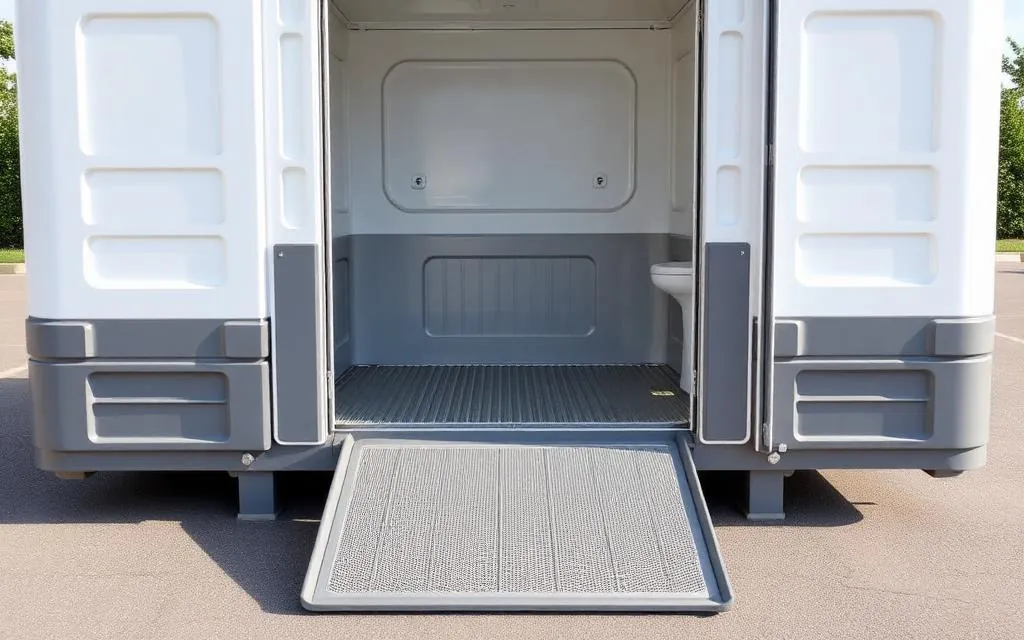
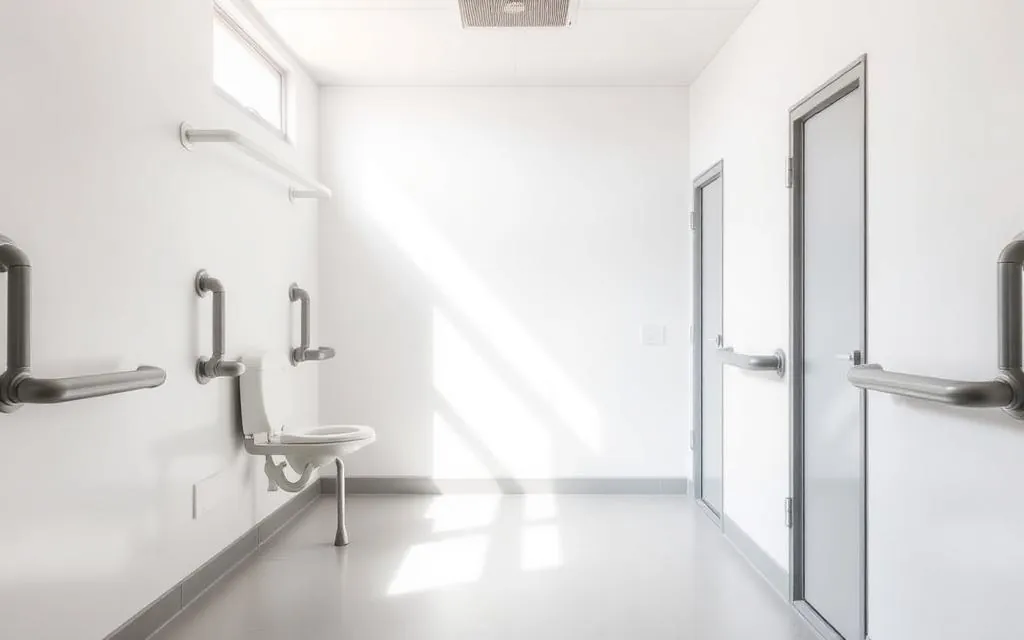
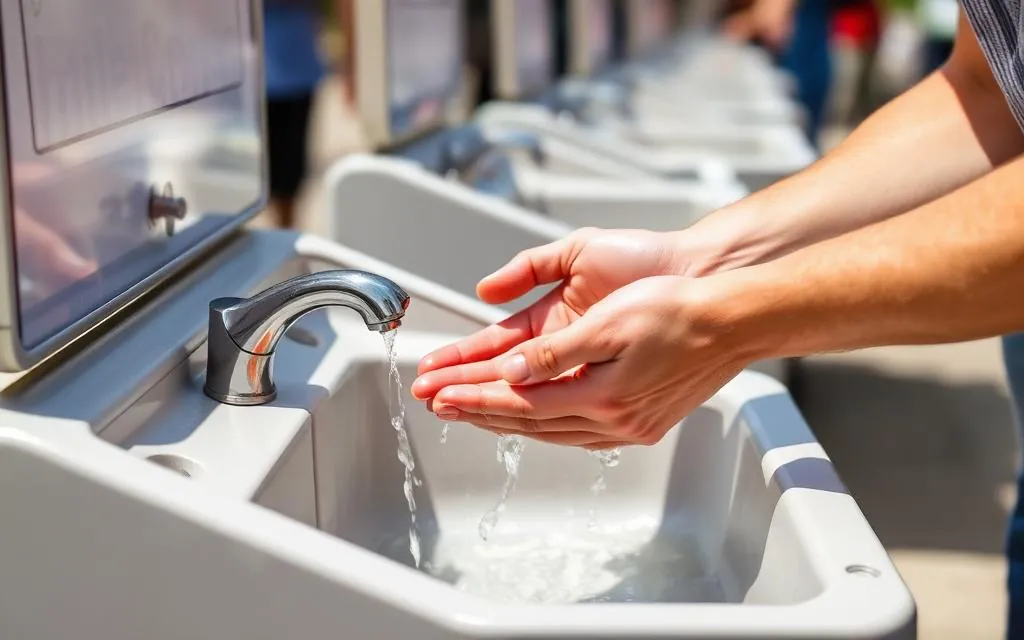
Any event open to the public should include at least one handicap accessible unit, and any event serving food should include hand washing stations near the catering area and restroom bank. Both are easy to build into your order from the start and much harder to add as an afterthought once the layout is set.
Placement affects perceived capacity
Even the right number of units can feel insufficient if they are placed poorly. Splitting a large bank into two or three smaller clusters positioned near different parts of a venue usually moves guests through faster than one long line at a single bank, since people naturally head for whichever cluster is closest rather than funneling into one spot.
Putting it together for your event
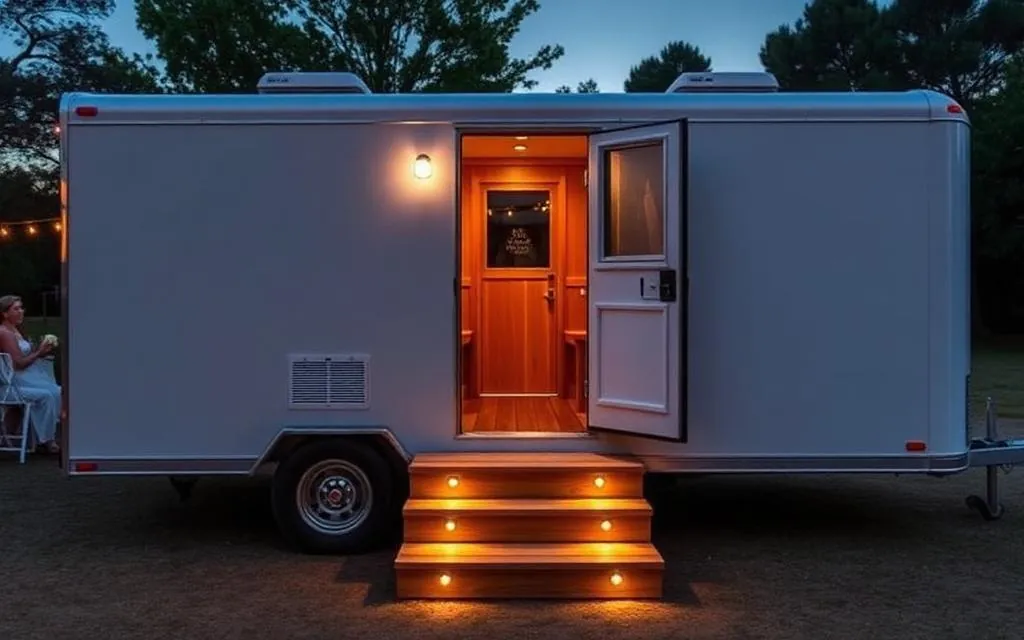
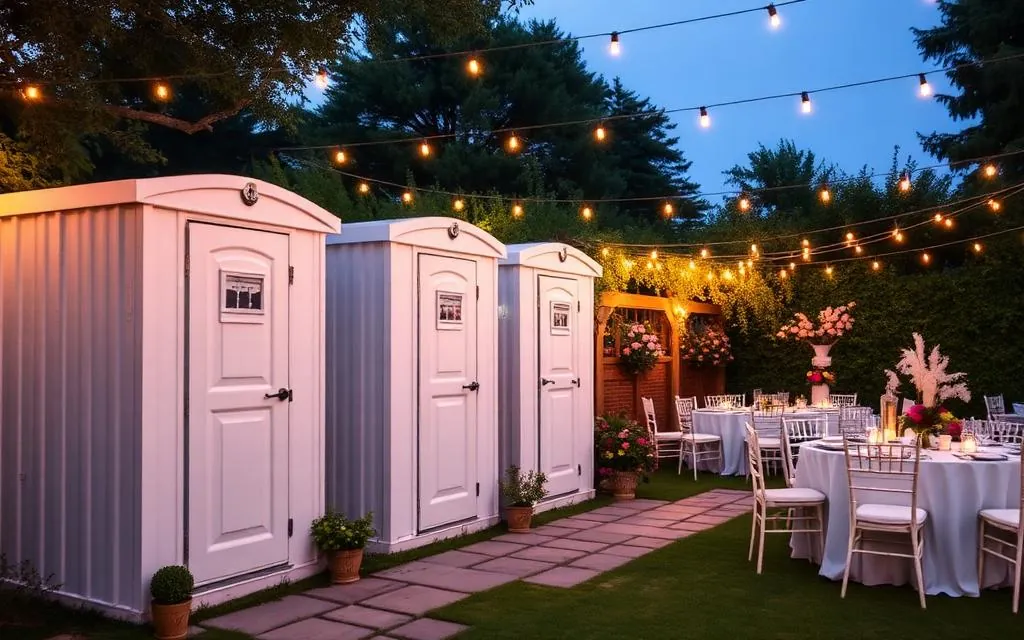
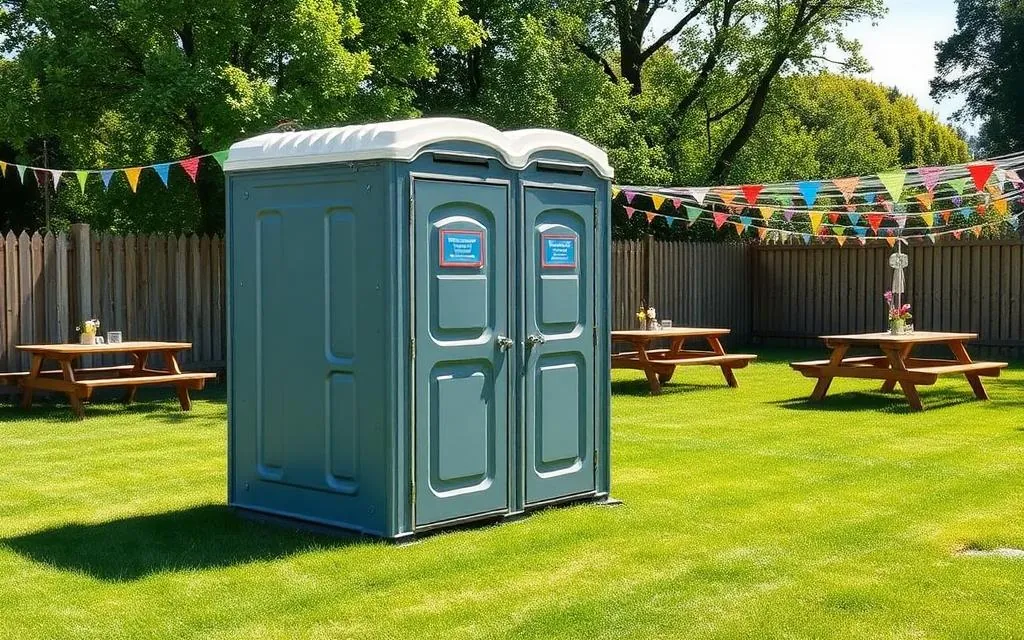
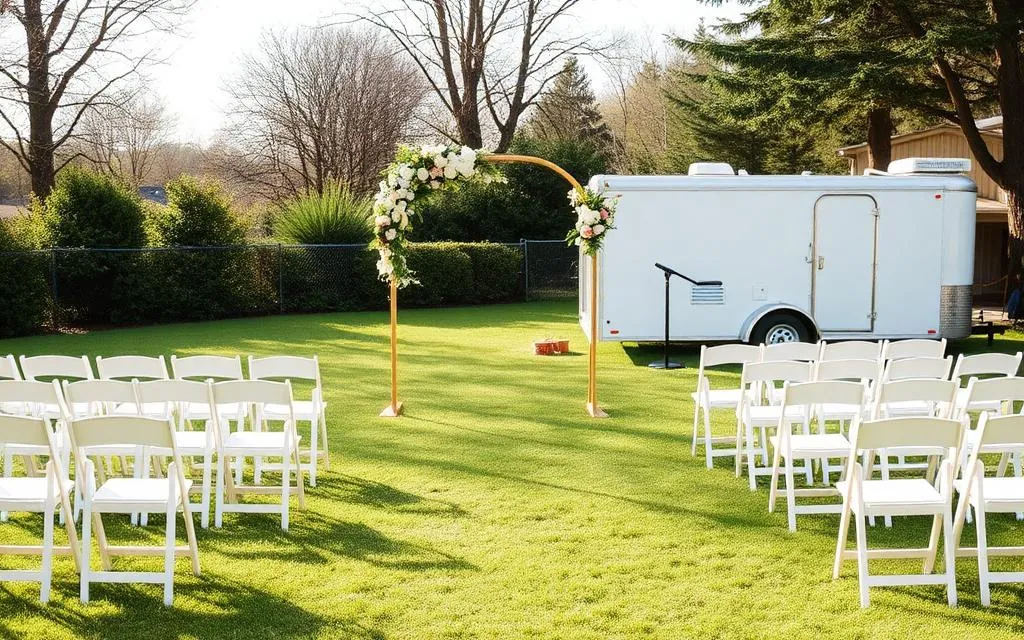
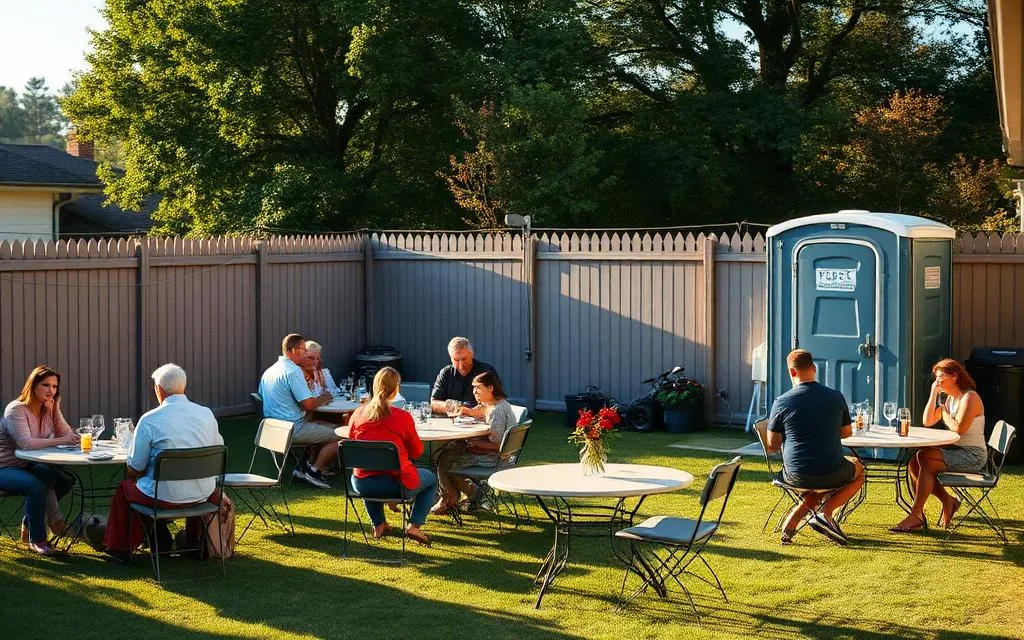
Once you know your rough guest count and how many hours the event runs, we can turn that into an actual unit count and layout, factoring in alcohol service, venue layout, and whether you need accessible or luxury options mixed in. Events like weddings and backyard parties each have their own patterns worth reading up on if either matches what you are planning.
Common sizing mistakes to avoid
- Using a flat headcount without adjusting for event length, which understates demand for anything running longer than a few hours.
- Skipping an accessible unit because attendance is unclear, then scrambling to add one once guests arrive.
- Underestimating a beer garden or open bar's effect on usage, especially late in an event when lines are already long.
- Placing all units in one convenient spot for delivery rather than where guests will actually be standing.
Talk It Through With Us
Every site and event is a little different. Call (605) 699-0189 or send us your details and we will give you a straight answer for your situation.