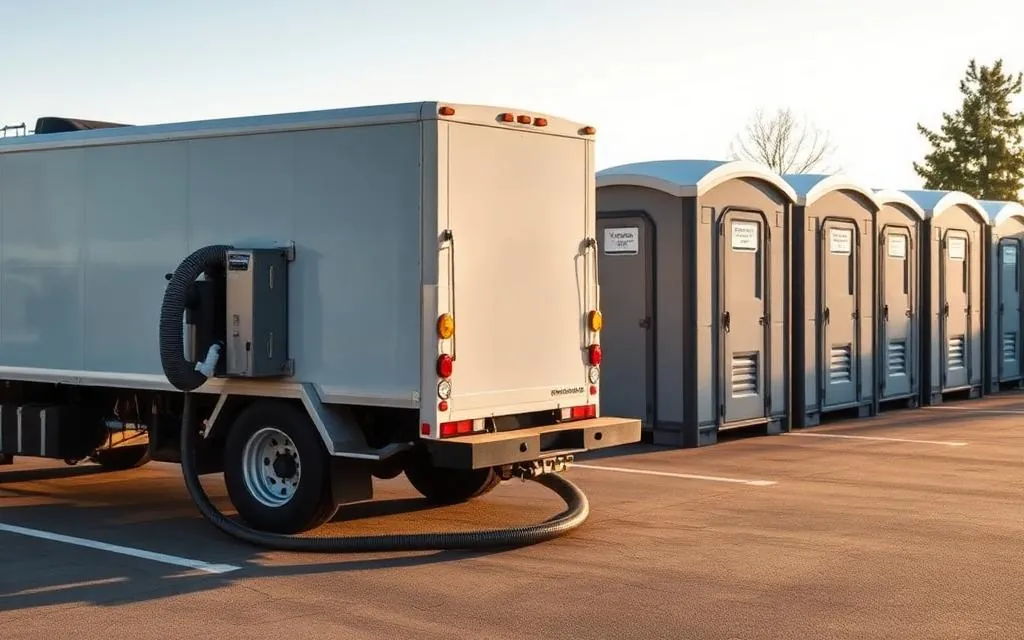
Service frequency is the single biggest factor in whether a rented unit stays pleasant to use from the first day of the rental to the last. Getting it right up front saves you from having to chase down an extra visit later.
The weekly baseline
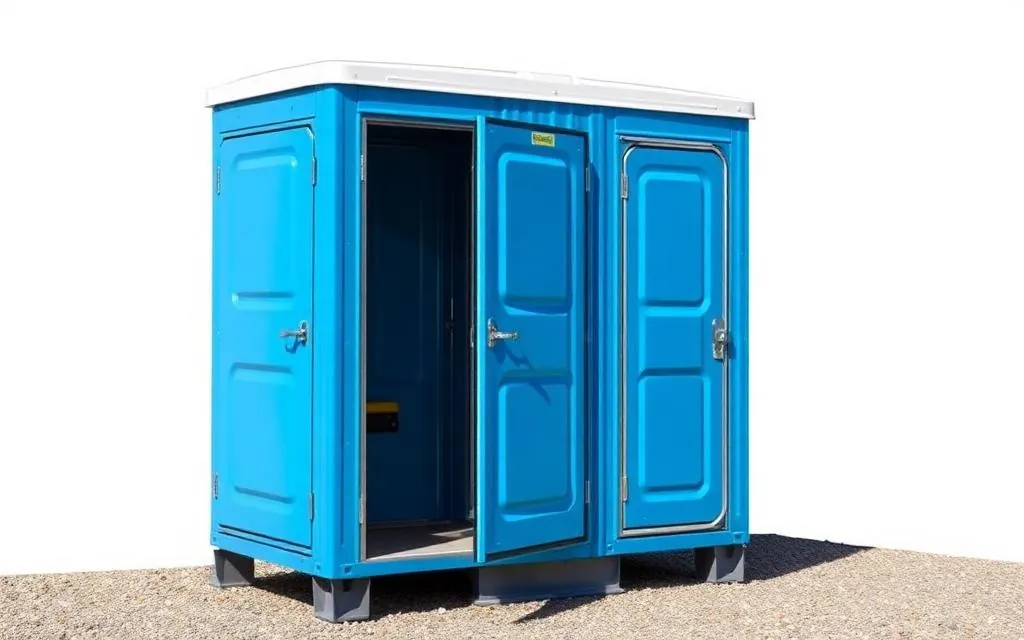
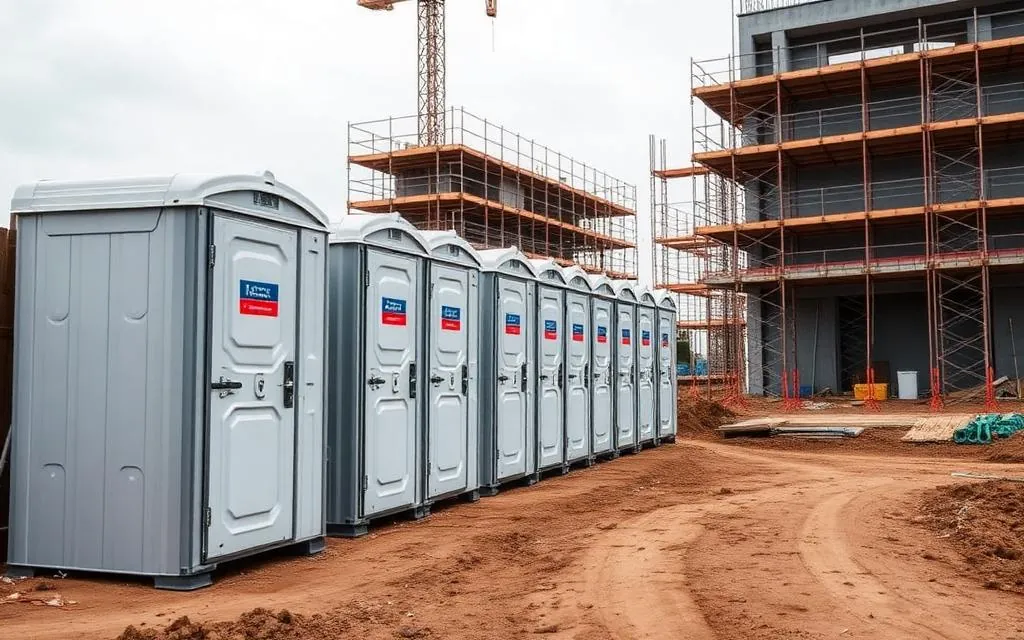
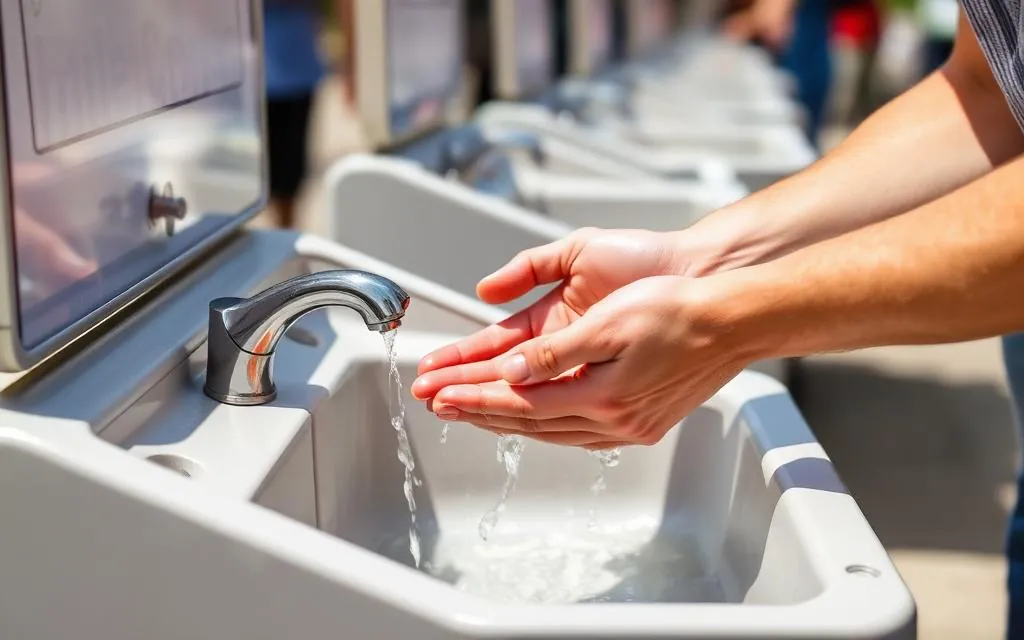
Weekly service is the standard for most longer rentals, including construction sites and multi-week backyard or property projects. During a visit we pump the waste tank, add fresh deodorizer, sanitize interior surfaces and touch points, restock tissue and hand sanitizer, and inspect the unit for anything that needs repair, such as a loose latch or a light that needs replacing. That baseline works well for moderate, predictable daily use.
What a typical service visit looks like
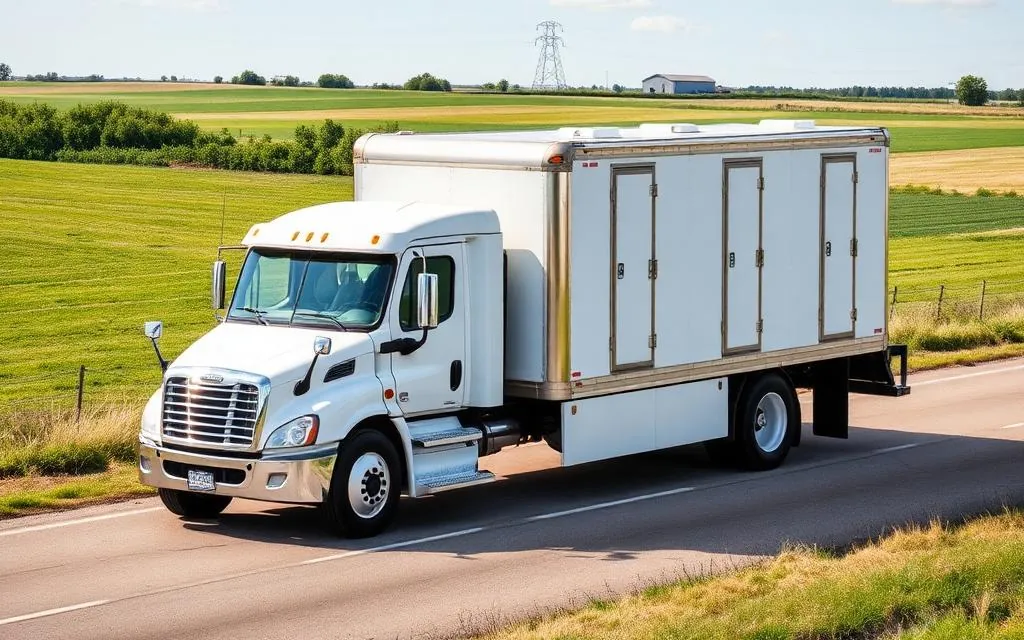
Our crews follow the same routine at every stop: pump and rinse the tank, wipe down the interior including the seat, door, and walls, replace deodorizer, top off tissue and sanitizer, and do a quick walk-around of the exterior to check the door swing, latch, and venting. The whole visit usually takes just a few minutes per unit, which is part of why we can keep a tight weekly schedule across every site we service.
When to service more often
- Large crews or a high daily headcount relative to the number of units on site, where each unit sees more use per day than a typical setup.
- Hot summer weather, which accelerates odor buildup and makes a unit feel unpleasant faster between visits.
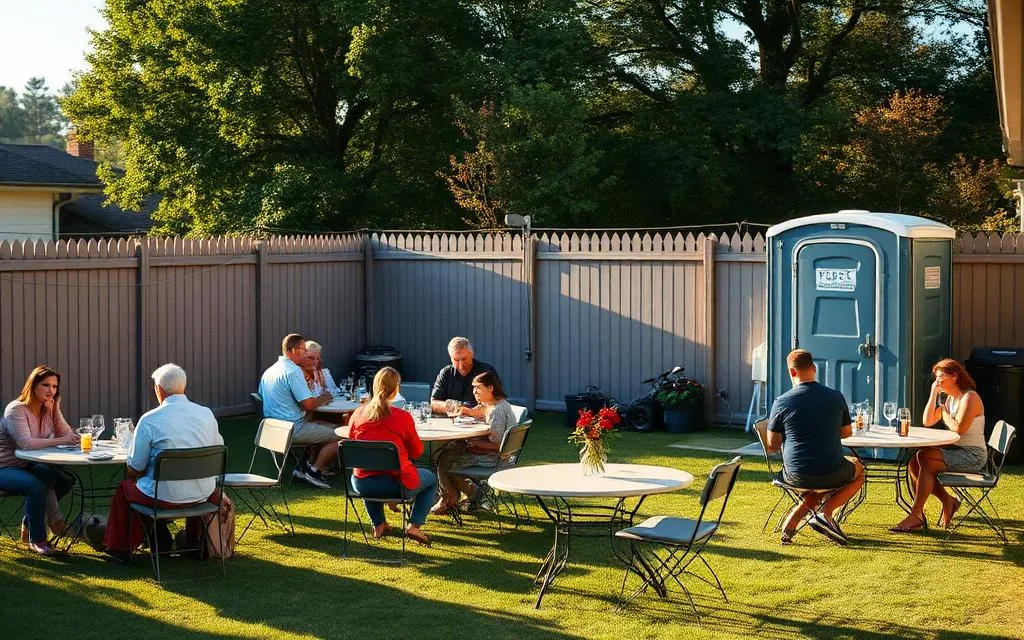
- Multi-day events, where servicing between event days keeps day two and day three feeling as fresh as day one instead of steadily declining.
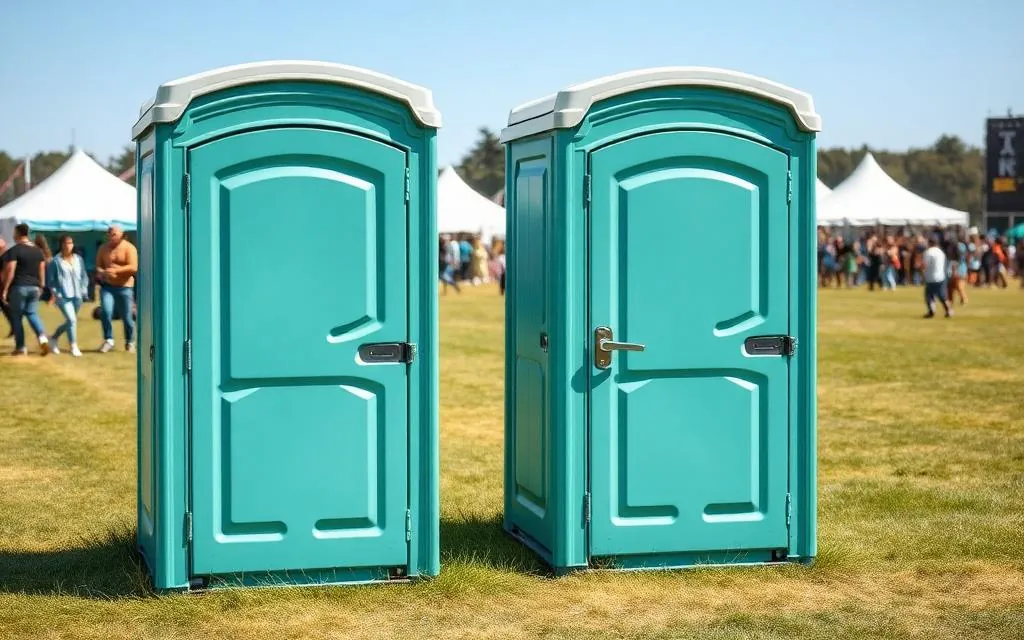
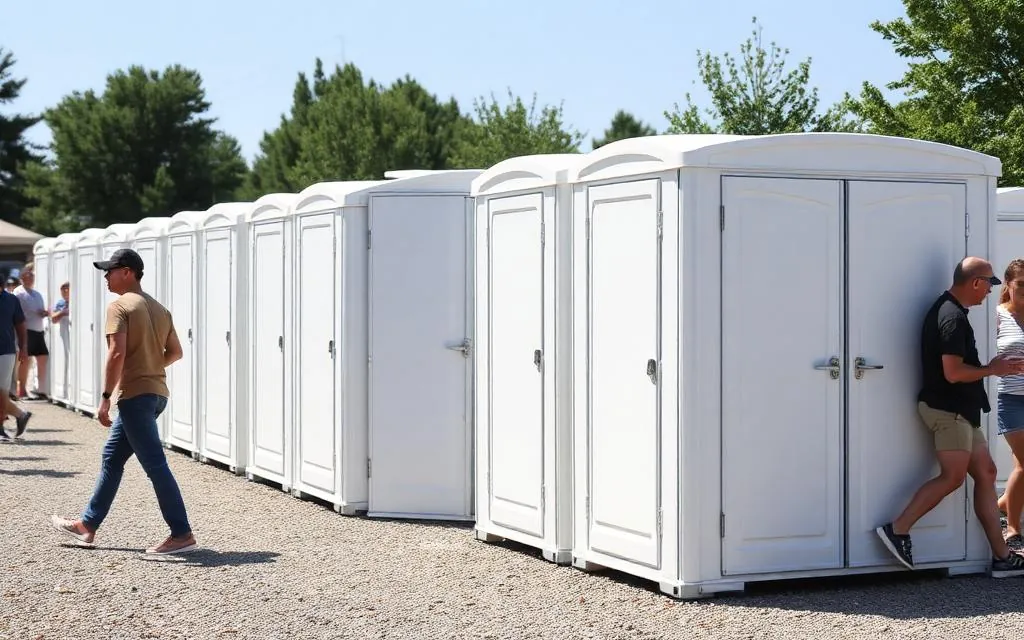
- Public sites with unpredictable, heavy foot traffic, such as festivals, races, or fairs where attendance can be hard to estimate exactly.
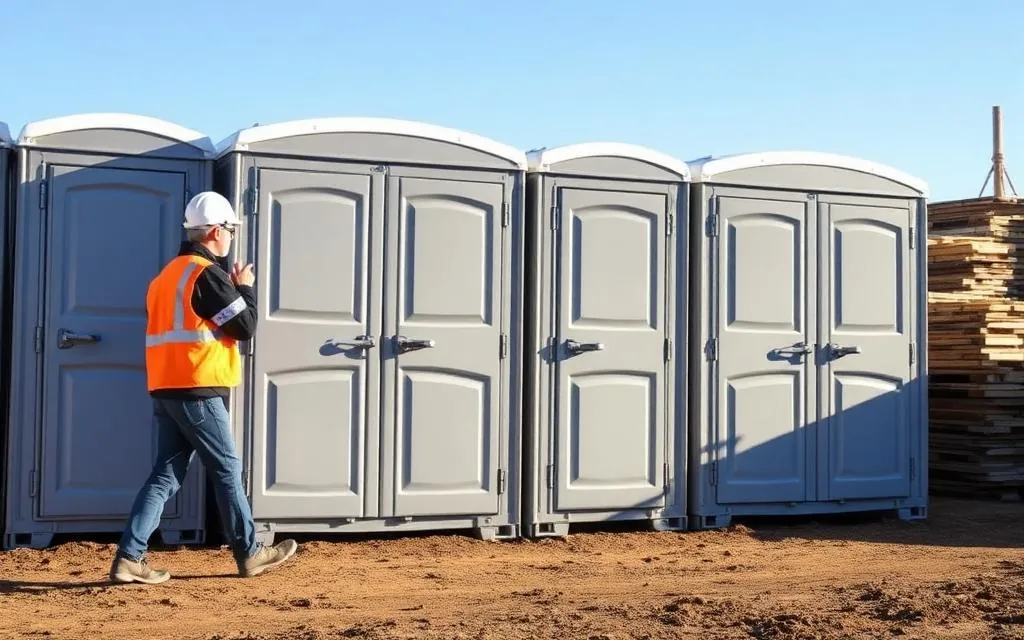
- Job sites during concrete pours, demolition, or other especially dirty phases of work, when units tend to get used more heavily by more people at once.
Matching frequency to unit type
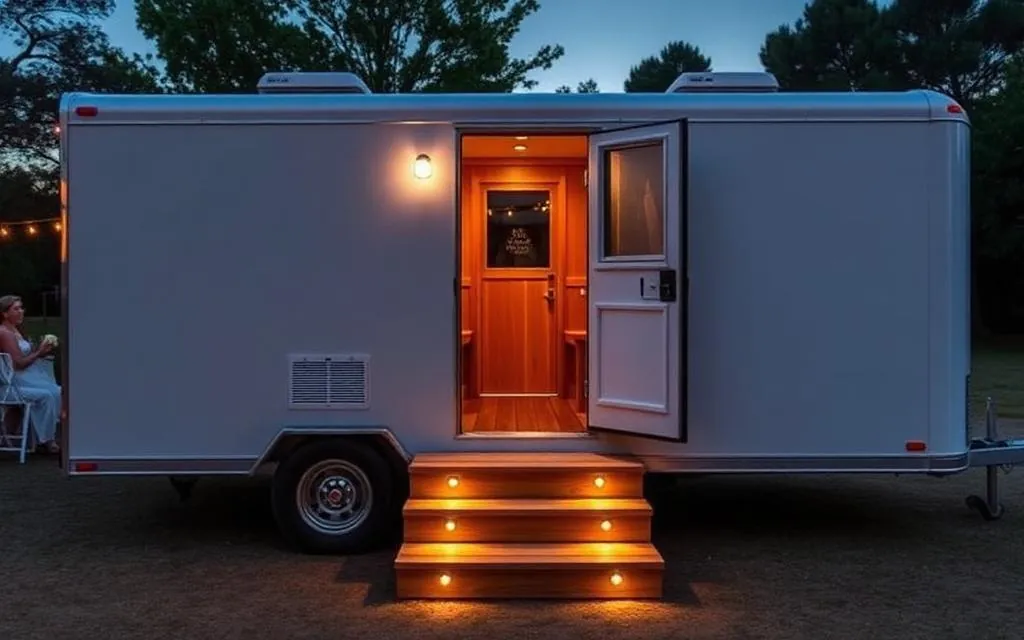
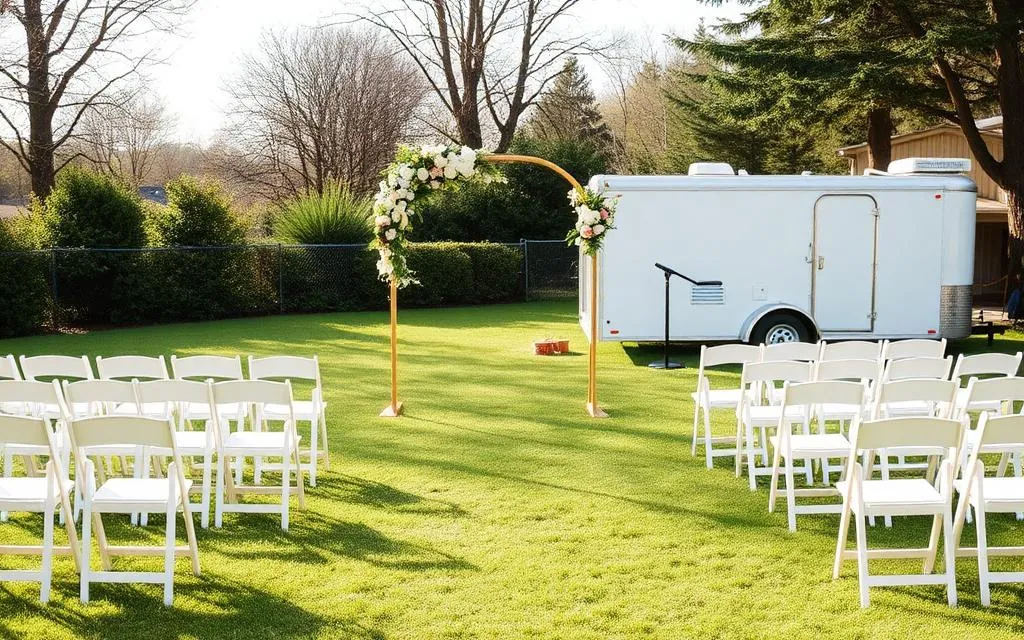
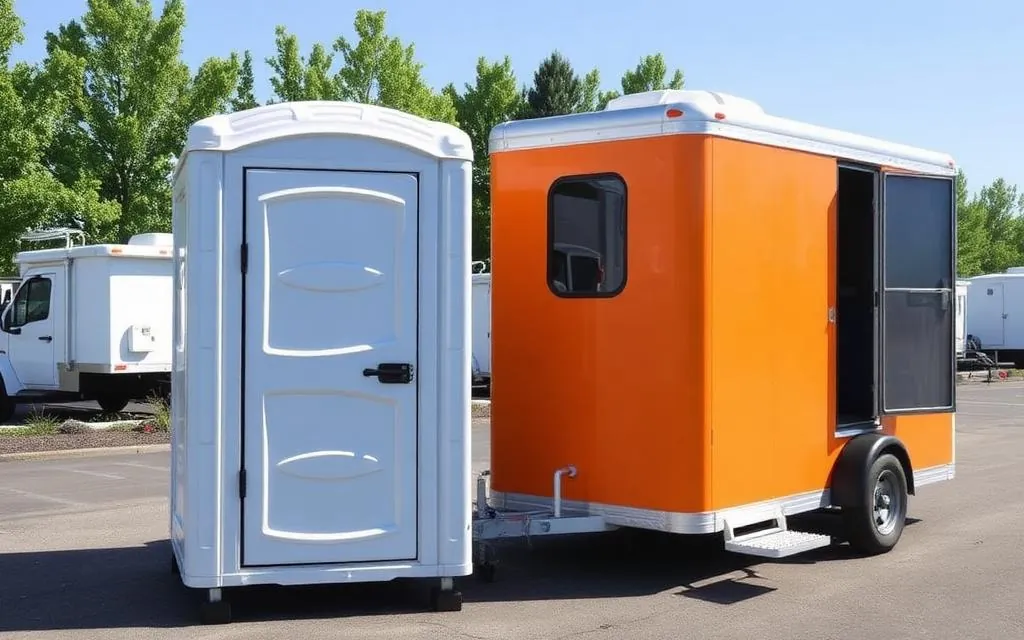
A luxury restroom trailer with running water and flushing fixtures often benefits from more frequent attention than a standard unit even at similar usage levels, simply because there is more equipment that can need topping off or a quick check. If you are renting a trailer for a multi-day event, ask us about a service visit between days rather than only at pickup.
Signs your schedule is too light
Persistent odor that lingers even right after a service visit, supplies running out well before the next scheduled stop, or crews and guests visibly avoiding a unit are all clear signals that the current frequency is not keeping up with actual use. Rather than waiting out the rest of the rental with a unit that is not performing, call us partway through and we will adjust the schedule going forward, no need to start over with a new agreement.
Mistakes that lead to a bad schedule
- Underestimating headcount when placing the original order, which leaves too few units to comfortably support a weekly schedule.
- Assuming a schedule that worked in spring will still be enough once summer heat sets in.
- Waiting until the end of a long rental to mention a problem instead of calling as soon as a unit starts falling behind.
- Forgetting to mention a change in crew size or event attendance after the original order was placed.
Winter and cold-weather considerations
South Dakota winters bring their own service considerations. Cold weather slows odor buildup, which sometimes allows for a lighter schedule, but it also means antifreeze-treated holding tanks and extra attention to keeping units from freezing shut. Let us know if a unit will sit through winter weather so we can plan the right approach for that stretch of the rental.
Talk It Through With Us
Every site and event is a little different. Call (605) 699-0189 or send us your details and we will give you a straight answer for your situation.